Before listing for short stays: check the condominium rules
Governing documents, meeting minutes and guest access: what to resolve before listing an apartment in Brazil.
10/23/2026
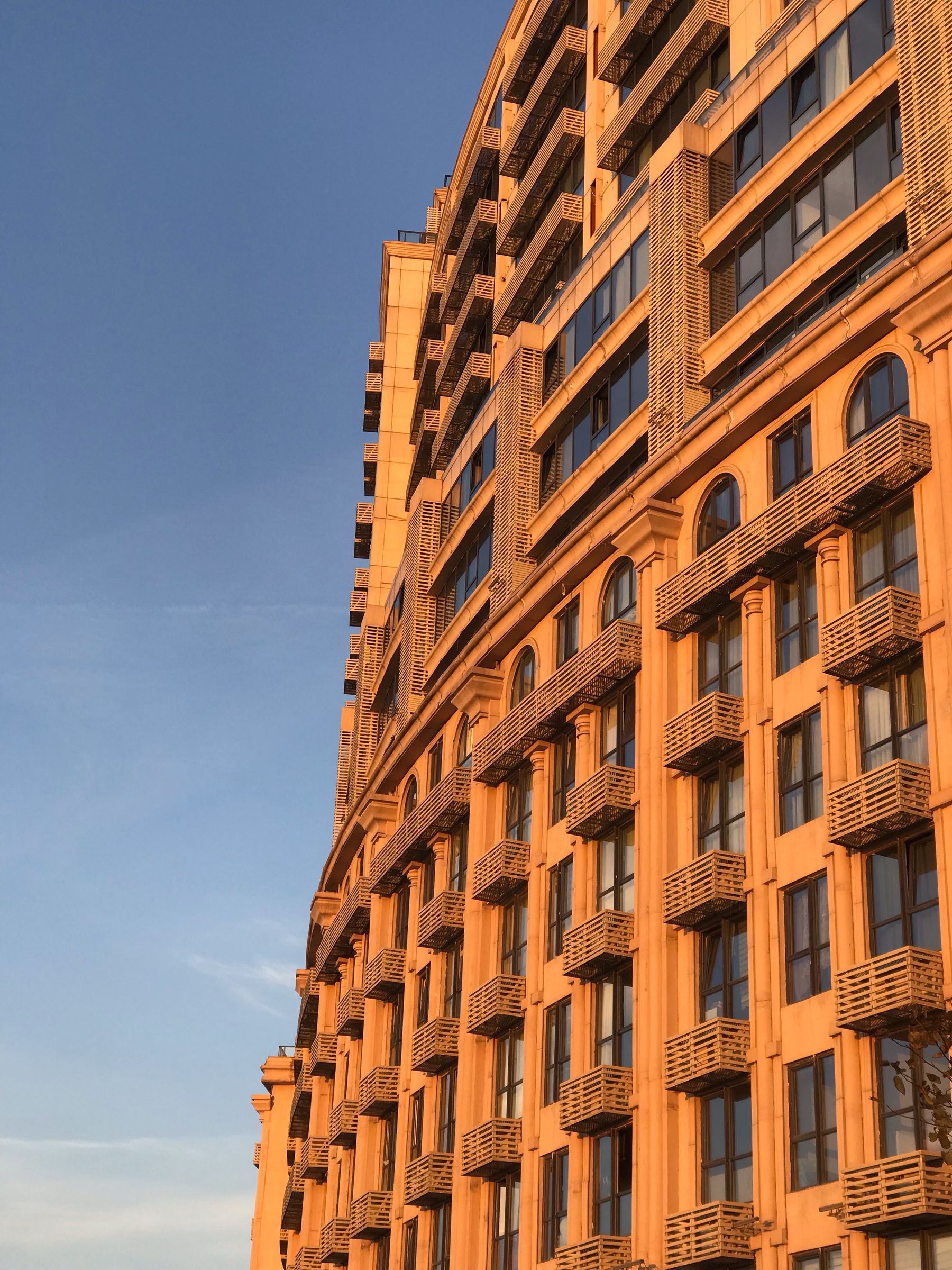
Before opening an apartment’s booking calendar for short stays in Brazil, read the condominium’s governing document, known as the convenção. The absence of the word Airbnb is not permission. First, establish whether the intended use fits the building’s designated purpose. Then organize guest arrivals without leaving decisions to the building’s entrance staff.
Start with three documents
Ask the building administration for the current governing document, internal rules and meeting minutes addressing short-term rentals or accommodation. Check subsequent amendments and whether the documents apply to your block or tower. An old copy forwarded by a neighbor may omit a decision that changes the operation’s viability. If authorization exists, retain the approved conditions and corresponding minutes.
- Governing document: residential designation, permitted uses, restrictions and voting rules.
- Internal rules: registration, access, visitors, shared facilities, deliveries and quiet hours.
- Meeting minutes: approved wording, date, recorded quorum and conditions for receiving temporary occupants.
Resolve compatibility before investing in photography, furniture or advertising. Conflicting documents, notices or a residential designation without compatible authorization call for legal advice before accepting bookings. An informal answer from entrance staff helps explain daily practice, but cannot replace the documents or a required resolution.
How to interpret the STJ decisions
On May 7, 2026, in REsp 2.121.055, the Second Section of Brazil’s Superior Court of Justice, the STJ, held that economic or professional exploitation of short stays is incompatible with residential use. In that case, authorization required a change of designated use at an owners’ meeting. Article 1.351 of Brazil’s Civil Code requires two thirds of owners’ votes for that change. This is not simply a headcount: under Article 1.352, votes are proportional to ownership shares unless the governing document provides otherwise.
STJ — 07/05/2026: STJ: julgamento do REsp 2.121.055 em maio de 2026 · Código Civil: Código Civil brasileiroThe official September 17 report explains that the May judgment established that an exclusively residential designation was sufficient, without an express prohibition of the activity examined. Repetitive Appeal Theme 1.443 was referred in a session ending on May 26, 2026, to establish a binding precedent on that question. On October 23, 2026, the register showed “Afetado,” with no merits ruling yet. The nationwide stay of proceedings on the identical legal question neither authorizes operations nor reverses the May position.
STJ — 17/09/2026: STJ: suspensão de processos e Tema Repetitivo 1.443 · Tema 1.443: Cadastro oficial do Tema Repetitivo 1.443The nature of the activity matters: the judgment addressed economic or professional exploitation. For an occasional rental, include the intended frequency and contractual arrangements in the assessment of the proposed use. Occasional activity alone does not create an exemption from condominium rules.
Article 48 of Brazil’s Tenancy Law defines seasonal rentals by temporary residence and a term of no more than ninety days. That limit does not settle condominium compatibility. In the prevailing May opinion, the reporting justice explained that the advertising channel does not determine the transaction’s legal nature: those stays may be atypical contracts, distinct from residential rentals and hotel accommodation.
Lei nº 8.245 — artigo 48: Lei do Inquilinato: locação para temporadaBreaching designated-use duties also carries financial risk. Article 1.336, paragraph 2, of Brazil’s Civil Code caps a fine specified in the founding or governing document at five times the owner’s monthly contribution, in addition to assessed losses and damages. Without an express provision, the general meeting must decide whether to impose the fine, with approval from at least two thirds of the remaining owners. This requirement concerns the fine, not the vote to change designated use.
Turn rules into arrival instructions
Once the intended use is clear, request written access procedures: required details, submission channel and advance notice. Check nighttime arrivals, keys or access credentials, service provider access and departures. Submitting registration does not allow entry through any entrance at any time. Agree on a private channel with the administration and avoid sharing guest documents in large chat groups.
Separate apartment rules from the conditions for using the pool, gym, parking and shared lounges. Confirm whether visitors need separate registration and whether the apartment has an assigned parking space. Advertise only permitted access, with the conditions available before booking.
Test the arrival process and assign responsibilities
Walk through arrival with whoever will manage the stay: has registration been received, is the entrance clearly identified, and is there a contact for discrepancies? Also review quiet hours, waste disposal, visitors and access within the building. Be specific. An important rule should not be buried in a long message sent when the traveler is already at the door.
Agree in writing who monitors notices and meeting minutes, updates the listing and informs guests with existing bookings. Compare each change with current instructions. If a significant restriction arises, identify affected bookings and agree on a response with those responsible before advising guests.
Where Argos management fits
Argos Premium Stays assesses location, construction quality, furnishings and the property’s fit with its guest experience. Setup covers photography, listings and pricing; management includes accommodation operations, cleaning, maintenance, finances, monthly reports and payouts on the agreed schedule. Bringing condominium documents to the assessment allows preparation of the apartment to be discussed alongside its actual conditions of use, before developing the listing.
Para proprietários: Argos Premium Stays: gestão para proprietáriosWhen discussing management with Argos, clarify who submits guest registration to entrance staff, receives notices, reviews meeting minutes and updates listing rules. Discuss these responsibilities in the proposal and contract, alongside fees and scope, rather than assuming they follow from “full management.” The article on self-management versus delegated management helps organize that division of tasks.
Gestão própria ou delegada: Gestão própria ou delegada: divisão de tarefasFrequently asked questions
Can I list an apartment if the governing document does not mention Airbnb?
The absence of Airbnb’s name from a residential condominium’s governing document does not authorize short stays. In REsp 2.121.055, the STJ considered an exclusively residential designation sufficient, without an express prohibition of the activity examined. Review governing documents, minutes and intended use; seek legal advice on omissions or conflicts before accepting bookings.
Does a stay of up to ninety days settle the condominium question?
A term of up to ninety days forms part of the seasonal-rental definition in Article 48 of Brazil’s Tenancy Law, linked to temporary residence. It does not establish compatibility with the condominium’s designated use. Consider the contract’s legal nature, the intended activity and the building’s rules together.
Can guests use every shared facility?
Guest access to the condominium’s shared areas depends on building rules and the conditions applicable to the apartment. Check the pool, gym, parking and shared lounges before advertising them. Explain restrictions and registration procedures before booking, rather than presenting every facility as a benefit automatically included in the stay.
What if the intended use needs authorization that has not been granted?
If the use requires changing the designated purpose, submit a proposal to the owners’ meeting. Article 1.351 of Brazil’s Civil Code requires two thirds of owners’ votes. Check notice and voting rules, record approved conditions and retain the minutes. Pending authorization does not permit operations to begin.
Discuss your property with Argos
Gather the apartment details and condominium documents to discuss property preparation, management scope and responsibilities.
Explore management for ownersLegal information checked on October 23, 2026; this informational guide does not replace legal advice for a specific property. Illustrative residential-building cover photograph: Ayşegül Akdaş / Pexels.
Foto: Ayşegül Akdaş / Pexels · Licença / License / Licencia: Pexels LicenseSources
- https://www.planalto.gov.br/ccivil_03/leis/l8245.htm
- https://www.planalto.gov.br/ccivil_03/leis/2002/l10406compilada.htm
- https://www.stj.jus.br/sites/portalp/Paginas/Comunicacao/Noticias/2026/07052026-Oferta-de-imovel-em-plataformas-como-Airbnb-exige-aprovacao-do-condominio--define-Segunda-Secao.aspx
- https://processo.stj.jus.br/repetitivos/temas_repetitivos/pesquisa.jsp?cod_tema_final=1443&cod_tema_inicial=1443&novaConsulta=true&tipo_pesquisa=T
- https://argospremiumstays.com.br/sobre/para-proprietarios
- https://www.stj.jus.br/sites/portalp/Paginas/Comunicacao/Noticias/2026/17092026-Airbnb-afetacao-de-repetitivo-sobre-locacao-de-curta-temporada-em-condominios-suspende-processos-em-todo-o-pais.aspx