Copacabana Street Fair: Fresh Produce Every Sunday
Fish, produce and flowers fill Praça Serzedelo Correia every Sunday, minutes from the Argos studios.
7/11/2026
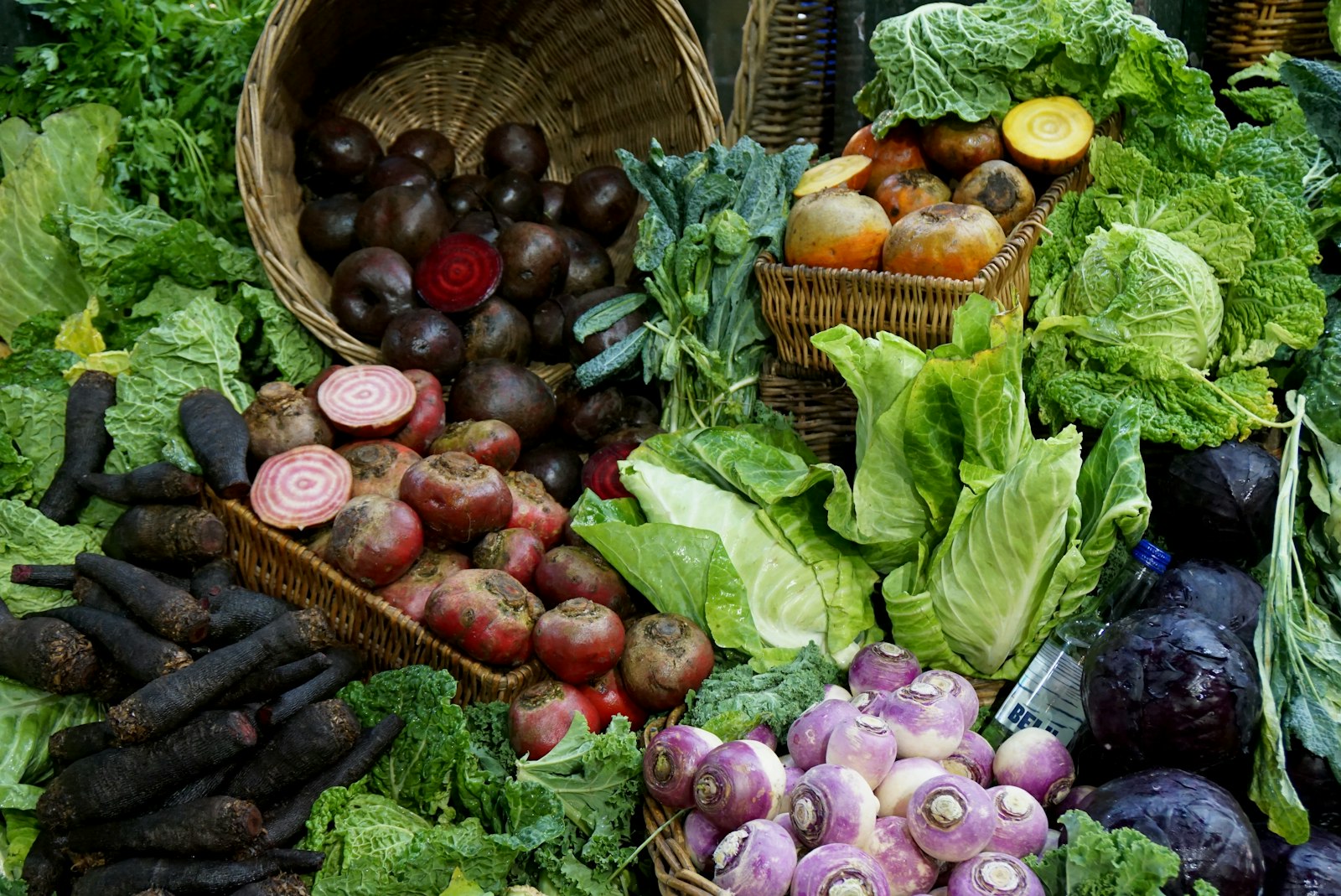
Praça Serzedelo Correia changes face every Sunday morning. From Saturday night's quiet to nine o'clock's bustle, six hours hold the oldest market routine in the Copacabana circuit: fruit stalls, the day's catch and flower stands take over the streets around the square, in a rhythm no tourist itinerary of the neighborhood ever mentions.
Where it is and when it runs
The market occupies Praça Serzedelo Correia and its immediate surroundings — stretches of Rua Siqueira Campos, Rua Santa Clara and Rua Hilário de Gouveia, closed to cars for the duration. It runs every Sunday, from 7am to 1pm, according to the official list of street markets kept by Rio's Municipal Secretariat of Public Order — the same registry that organizes close to 900 street markets across the city, each with a fixed day, shift and administrative region. Copacabana falls under the 5th Administrative Region, and Serzedelo Correia is the neighborhood's Sunday market. Not to be confused with the craft and clothing market that occupies Avenida Atlântica every night except Sunday — two different markets, on days that barely overlap, serving different crowds: one is a neighborhood market, the other a display case for passing tourists.
A tradition that keeps neighborhood commerce alive across Rio
The street market is old know-how in this city. Rio's city government regulates close to 900 of them, spread across administrative regions, each with day, hours and a stretch of street fixed by decree — a system that predates food delivery apps by generations. For visitors from abroad, the format can feel unfamiliar: a municipal market on wheels, set up and taken down the same day, with no storefront or window display. For Rio residents, it is simply where produce has been bought for generations — cheaper, fresher and, in most neighborhoods, closer to home than any supermarket chain. In Copacabana, a vertical, tourist-heavy neighborhood, Serzedelo Correia is what remains of that custom within a few blocks of the beach.
Arrive before nine and there's still fruit to choose from; after that, it's queues and picked-over stalls.
What the stalls usually carry
- Fresh produce — fruit and vegetables that change with the season's supplier, almost always cheaper than the neighborhood supermarket.
- Fresh fish and seafood, sold straight from people who work in the city's fishing trade.
- Cheese, cured meats and fine grocery items, sold by weight at the stalls in the middle of the market.
- Flowers and plants — from loose roses to potted succulents, in the stretch closest to the square.
- Clothing, shoes and household items on the stalls at the far end of the circuit, closer to a street market than a produce fair.
Why it's worth leaving the tourist circuit
For guests staying at the Argos Esmeralda and Argos Safira studios, in Edifício Armoleu on Rua Barata Ribeiro, the market is less than a ten-minute walk away — closer than any large supermarket in the neighborhood. It's the kind of outing that never makes a tourist guide, and precisely because of that it delivers what the beachfront doesn't: a neighborhood running on its own rhythm, with no storefront built for visitors. It's worth it for guests who cook during their stay — the studios' equipped kitchens call for fresh ingredients — and worth it for anyone who simply wants to understand how Copacabana lives beyond its postcard beach. A twenty-minute walk through the market is enough to feel the difference between the neighborhood in photos and the one that actually runs every Sunday morning.
How to enjoy it without getting in the way
A street market is not a quiet stroll: vendor carts, stall queues and shoppers with full bags share the same narrow sidewalk. Going early — before nine — avoids the peak rush, guarantees fresher produce and leaves more room to walk calmly between stalls. Bringing a bag helps both the vendor and the flow, since not every stall offers packaging. And it's worth remembering the market is neighborhood routine, not an attraction staged for visitors — watching at the pace of the people actually there to shop, without disrupting the flow, is the difference between being welcome and being in the way.
Equipped studios steps from the market
The Argos studios on Barata Ribeiro sit three blocks from the beach and less than ten minutes from Praça Serzedelo Correia — self check-in, 24-hour concierge and an equipped kitchen for guests who like to cook what they bought at the market.
Check availabilityFrequently asked questions
What time does the Praça Serzedelo Correia market open?
It runs every Sunday, from 7am to 1pm, according to the official list of street markets kept by the Rio city government. Arriving before nine guarantees more variety of fruit and vegetables.
Is the Serzedelo Correia market the same as the craft fair on the beachfront?
No. The craft and clothing market takes over Avenida Atlântica every night except Sunday. The one at Praça Serzedelo Correia is a produce market, held Sunday mornings — different locations, different days, different crowds.
Can guests walk there from the Argos studios?
Yes. The Argos Esmeralda and Argos Safira studios sit on Rua Barata Ribeiro, less than a ten-minute walk from the square — a straight route, no car or app needed.
Is it worth it for someone just passing through Copacabana?
It's worth it as a short outing — 20 to 30 minutes is enough to see the market and pick up fruit for the rest of the stay. It's not a classic tourist attraction, it's neighborhood routine, which is exactly the point.
Do you need cash?
Most street market stalls in Rio still operate mainly on cash, though Pix has been growing among vendors. Carrying some cash avoids trouble when it's time to pay.